

Understanding the psychology behind gambling behaviors in casinos
The Allure of Chance
The thrill of uncertainty is a major driver in gambling behavior. Casinos are designed to amplify this feeling, making players feel as if they are on the edge of winning big. The excitement of potentially striking it rich creates an adrenaline rush that many find irresistible. This environment is meticulously crafted, from the sounds of clinking coins to the lights flashing on slot machines, all aimed at heightening the sense of anticipation. Many Canadian players explore their options at katsubet-canada.com for a comprehensive gaming experience.
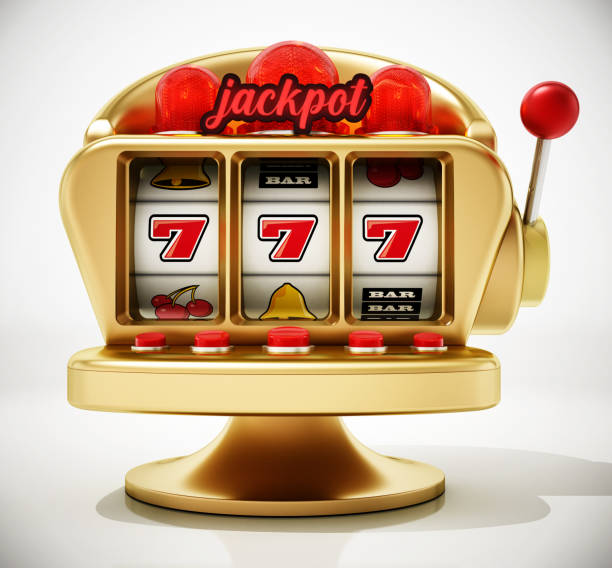
Addiction often stems from the allure of chance, where players become entranced by the possibility of winning. Psychologically, this can lead to a phenomenon known as “near-misses,” which can reinforce gambling behaviors. When a player feels they were close to winning, their brain releases dopamine, reinforcing the desire to continue playing. This phenomenon can easily lead to a cycle of repeated gambling as individuals chase that elusive win.
Moreover, the concept of chance plays into the human psyche’s natural curiosity and desire for risk. This craving for excitement and variability in outcomes can lead to impulsive decision-making, often resulting in heavier betting. Understanding this allure is critical for both players and casino operators, as it shapes the gaming experience and influences behaviors on the casino floor.
The Role of Social Interaction
Social factors significantly contribute to gambling behaviors in casinos. The social setting encourages interaction, which can enhance the overall experience of gambling. Whether through friendly banter at card tables or camaraderie shared over slot machines, social dynamics play a pivotal role in how individuals perceive and engage with gambling activities. The communal atmosphere often leads to increased wagering as players are influenced by the behaviors of those around them.
Furthermore, peer pressure can amplify the intensity of the gambling experience. Individuals may feel encouraged to bet more or try riskier games to fit in or impress friends. This social influence can sometimes lead to problematic behaviors, as players chase acceptance and validation from their peers. The collective excitement of a group can also lead to larger bets, as the communal spirit fosters a sense of shared adventure.
Conversely, the social environment can also provide a safety net for those who gamble. Players often discuss strategies and share experiences, which can mitigate feelings of isolation. In a casino, individuals might feel part of a larger community, leading to a more responsible approach to gaming. However, it’s essential for gamblers to remain aware of the social pressures that can lead to excessive gambling and to find a healthy balance.
The Impact of Environment
The physical design of casinos profoundly affects gambling behavior. From the layout to the choice of colors and lighting, each element is strategically placed to create an inviting environment that encourages players to spend more time and money. Studies have shown that warm colors like reds and yellows can stimulate excitement, while dim lighting creates a more relaxed atmosphere, making players feel at home.
Additionally, the absence of clocks and windows in casinos can lead to a distorted sense of time, causing players to lose track of how long they have been gambling. This design choice plays into the psychology of immersion, where players become so engaged in the gaming experience that they lose awareness of their environment. This can lead to extended gaming sessions and increased expenditure.
Moreover, the sounds associated with gambling — from the jingling of coins to the celebratory music played after a win — can create a positive feedback loop. This sensory stimulation can further enhance the excitement of playing, making it difficult for individuals to leave. Understanding the impact of the casino environment is crucial for players and operators alike, as it shapes individual experiences and outcomes.
Cognitive Biases in Gambling
Cognitive biases play a significant role in shaping gambling behaviors. One common bias is the “illusion of control,” where players believe they can influence the outcome of games, particularly in games of chance like slots or roulette. This mindset can lead to overconfidence, prompting players to wager more than they typically would, as they convince themselves they can beat the odds.
Another significant bias is “sunk cost fallacy,” where individuals continue to gamble due to the amount they have already invested, rather than evaluating their chances of future wins. This can lead to a cycle of increased betting, as players attempt to recover their losses. Understanding these biases is essential for recognizing when gambling behaviors may become unhealthy or detrimental.
Additionally, gamblers often fall prey to the “gambler’s fallacy,” which is the belief that past events affect future outcomes in random games. For instance, after a series of losses, a player might feel that a win is “due,” leading to increased bets. Recognizing these cognitive biases can help players make more informed decisions, ultimately fostering a healthier approach to gambling.
Online Gambling and the Changing Landscape
The rise of online gambling has transformed the landscape of gaming behaviors. With the convenience of accessing casinos from anywhere, individuals can engage with games on their terms. However, this accessibility can lead to increased gambling frequency and potential addiction. The ease of online transactions also raises concerns about impulse spending and the blurring of lines between entertainment and problematic behaviors.
Online casinos often employ sophisticated algorithms to keep players engaged, mimicking the stimulating environment of physical casinos. Features like live dealer games and interactive elements create a sense of connection, even in a virtual setting. This can further enhance the psychological appeal of online gambling, drawing players in and encouraging longer play sessions.
Additionally, the shift towards online platforms has sparked discussions about regulation and responsible gaming practices. As more players turn to the internet for their gaming experiences, understanding the psychological impacts of this shift is crucial. Operators must prioritize player well-being by implementing measures that promote responsible gambling, ensuring that players can enjoy their experience without falling into harmful patterns.

Katsubet Casino: A Safe Gaming Environment
Katsubet Casino stands out as a premier online gaming destination that prioritizes player safety and satisfaction. With an extensive library of over 7,000 games, players can find something that matches their preferences, whether they are seasoned gamblers or newcomers. The site’s user-friendly interface and innovative features make navigation seamless, promoting a positive gaming experience.
Moreover, Katsubet Casino understands the importance of responsible gaming. With various tools and resources available, players can set limits and manage their gambling activities effectively. The platform’s commitment to player welfare reflects a growing awareness of the psychological aspects of gambling, promoting a more responsible approach to gaming.
As the online gambling landscape continues to evolve, Katsubet Casino aims to provide a secure environment for Canadian players. With features like 24/7 customer support and a dedicated VIP program, the casino strives to enhance player experience while ensuring safety and responsibility in all gambling activities.


