

Understanding the basics of gambling A beginner's guide to smarter bets
What is Gambling?
Gambling is a practice where individuals wager money or valuables on an event with uncertain outcomes, typically involving games of chance. This age-old activity encompasses various forms, including casinos, sports betting, lottery games, and online platforms. The appeal of gambling lies in the thrill of risk-taking, the potential for significant rewards, and the social aspects that often accompany it. For a unique experience, the popular ice fishing casino combines an engaging theme with exciting gameplay, highlighting the diverse nature of gambling today.
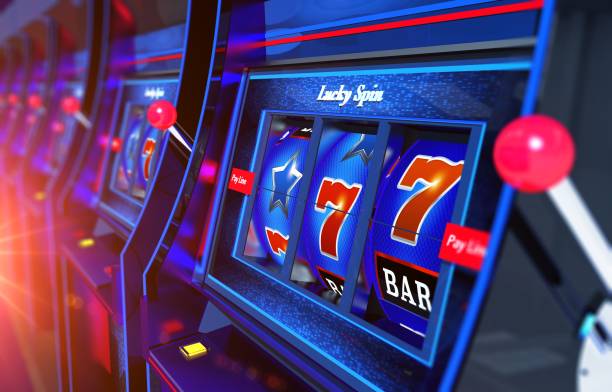
At its core, gambling can be categorized into two types: games of skill and games of chance. Games of chance, such as slot machines and roulette, rely primarily on luck, with outcomes determined by random number generation or physical randomness. Conversely, games of skill, such as poker and blackjack, allow players to use strategies and experience to influence the outcome. Understanding these distinctions is crucial for beginners to navigate the gambling landscape effectively.
As a beginner, it’s vital to approach gambling with a clear mindset and realistic expectations. It’s easy to become captivated by stories of large wins, but it’s important to remember that the odds are typically against the player. Establishing a budget, being aware of the house edge, and recognizing that gambling should primarily be a form of entertainment will enhance the overall experience and minimize potential pitfalls.
The Psychology Behind Gambling
The psychology of gambling is a fascinating area that explores why individuals engage in this activity despite the risks involved. One significant factor is the thrill and excitement that comes with the possibility of winning. This rush triggers the brain’s reward system, releasing dopamine, which can create a strong desire to continue gambling. For many, this creates a cycle where the anticipation of winning keeps them engaged, even when faced with losses.
Moreover, cognitive biases play a crucial role in gambling behavior. For instance, the illusion of control leads players to believe they can influence random outcomes, such as drawing cards or rolling dice. This false sense of control can encourage further betting, leading to increased losses. Understanding these psychological factors can help beginners identify their own gambling behaviors and make more informed decisions.
It’s essential for new gamblers to cultivate self-awareness and mindfulness during their gambling experiences. Being conscious of emotional triggers and recognizing when the thrill is turning into obsession can safeguard against problem gambling. Setting personal limits and finding balance in gaming activities are important steps toward maintaining a healthy relationship with gambling.
Types of Gambling Games
The world of gambling encompasses a diverse array of games, each with its own rules, strategies, and odds. Casino games are often the most recognizable, featuring classics such as blackjack, poker, and various slot machines. Each game offers a unique experience, from the strategic depth of poker, where skill plays a crucial role, to the pure luck involved in slot machines, which often captivate with colorful graphics and engaging themes.
Sports betting has gained immense popularity, allowing enthusiasts to wager on the outcomes of various sporting events. This form of gambling requires knowledge of the sport, player statistics, and often involves understanding odds and betting lines. Betting on sports can add an extra layer of excitement to games, as fans become emotionally invested in the outcomes of their wagers.
Another noteworthy aspect is the emergence of online gambling platforms, which have revolutionized the way people engage with casino games and sports betting. These platforms provide convenience and accessibility, allowing users to gamble from the comfort of their homes. However, beginners should exercise caution, ensuring they choose reputable sites that prioritize player security and fair play.
Managing Your Bankroll
One of the most critical aspects of gambling successfully is effective bankroll management. This involves setting a budget for your gambling activities and adhering strictly to it. Before starting, determine how much you can afford to lose without negatively impacting your finances. This budget should be viewed as entertainment expense, and when it’s gone, it’s time to step away, regardless of the allure of potential wins.
It’s also wise to break your budget into smaller units to avoid overspending in a single gambling session. For example, if your budget allows for a week of play, allocate a certain amount for each session. This practice not only extends your playtime but also helps maintain discipline. Monitoring your spending and adjusting your budget based on wins or losses can also provide greater control over your gambling habits.
Furthermore, it’s beneficial to track your gambling outcomes, including wins and losses. This record can provide insights into your gambling patterns and behaviors, helping you identify both successful strategies and areas where you may need to improve. Ultimately, managing your bankroll effectively is key to enjoying gambling as a form of entertainment while minimizing financial risks.
Exploring Online Gambling Options
The rise of online gambling has transformed the industry, making it easier than ever for players to access a wide range of games and betting options. From traditional casino games to innovative new formats, the online gambling space offers something for everyone. The convenience of playing from home, along with the ability to explore multiple platforms, enhances the overall experience for new gamblers.
Online casinos typically feature a variety of games, including slots, table games, and live dealer options that simulate the feel of a physical casino. Many platforms also offer promotions, bonuses, and loyalty rewards, which can significantly boost your playing funds. However, it’s essential to read the terms and conditions associated with these offers to ensure you understand any wagering requirements or limitations.
Additionally, security should be a priority when engaging in online gambling. Ensure that the platform you choose uses encryption technology to protect your personal and financial information. Look for licenses from reputable gaming authorities, as this signifies a commitment to fair play and player protection. By taking these precautions, you can enjoy a safer and more enjoyable online gambling experience.
Resources for Beginners
For beginners looking to delve into the world of gambling, resources are available to help enhance knowledge and skills. Websites and forums dedicated to gambling provide valuable insights, strategies, and tips from experienced players. These resources can be instrumental in understanding game mechanics, learning about odds, and developing effective betting strategies.
Additionally, many online gambling platforms offer educational content, including tutorials and guides, that help newcomers familiarize themselves with various games. Engaging with these materials can boost confidence and improve decision-making during play. Joining communities or participating in discussions with fellow gamblers can also provide a wealth of information and support.
For those interested in responsible gambling, various organizations and hotlines offer assistance and resources. These entities provide information about setting limits, recognizing problem gambling behaviors, and finding help if needed. Utilizing these resources can ensure a positive gambling experience that prioritizes safety and enjoyment above all else.


