

Understanding the psychology behind why we gamble A deep dive into motivation and behavior
The Allure of Chance: What Draws People to Gambling?
The thrill of uncertainty is one of the primary factors that draws individuals to gambling. When people place a bet, they enter a world of unpredictability that can evoke strong emotions, from excitement to anxiety. This unpredictability can create an adrenaline rush akin to that felt during extreme sports or high-stakes situations. The mere possibility of winning can trigger a rush of dopamine, the brain’s feel-good chemical, making the activity feel exhilarating and rewarding. This biochemical reaction explains why some people might continue to gamble even after experiencing losses. For beginners, exploring games at casino Jabulabets could provide a helpful introduction to online gaming.
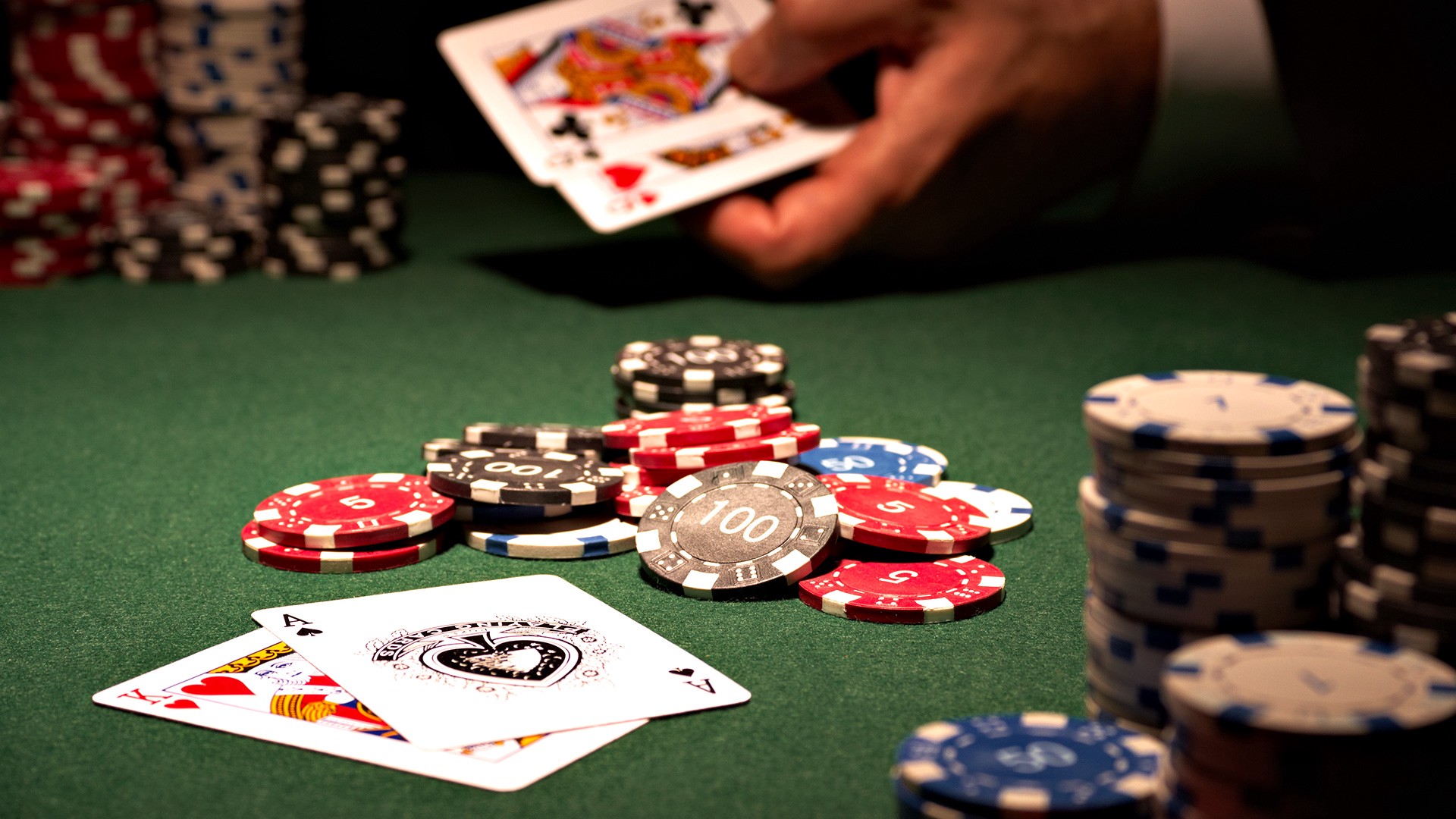
Moreover, the experience of gambling often serves as an escape from daily life. Many gamblers find comfort in the distractions provided by casinos or online gaming platforms. For some, it becomes a coping mechanism for stress or anxiety, allowing them to momentarily forget their worries. The vibrant environments of casinos, filled with flashing lights and sounds, amplify these feelings, creating an immersive experience that keeps players coming back for more. This blending of thrill and escape underscores the complex psychological motivations behind gambling.
Additionally, the social aspect of gambling cannot be overlooked. Whether playing with friends at a local casino or engaging with others in an online community, many individuals find enjoyment in the shared experiences that gambling provides. Social interaction can enhance the excitement of the game, making the act of gambling a communal activity. This social bonding often leads to a sense of belonging, further motivating individuals to return to gambling environments where they feel connected and engaged.
The Role of Cognitive Biases in Gambling Behavior
Cognitive biases play a significant role in how individuals perceive gambling outcomes and risks. One prevalent bias is the illusion of control, where gamblers believe they can influence the outcome of a game through their decisions or strategies. This perception can lead to overconfidence and increased betting. For example, a player might think that consistently playing a specific slot machine gives them a better chance of winning, despite the fact that outcomes are largely random.
Another common cognitive bias is the gambler’s fallacy, where individuals assume that past outcomes affect future results in random events. For instance, if a particular number has not been hit in a roulette game, a player might bet heavily on it, believing it is “due” to come up. These biases can perpetuate gambling behaviors, making it challenging for individuals to recognize the randomness inherent in most gambling activities and to make rational decisions regarding their bets.
Understanding these cognitive biases is crucial for addressing problem gambling. Educating individuals about the fallacies and misconceptions associated with gambling can help mitigate irrational behaviors. By fostering awareness of these biases, individuals can cultivate healthier gambling habits, transforming their experience into a more enjoyable and controlled activity instead of a potentially destructive behavior.
Addiction and the Pursuit of Loss Chasing
Addiction is a complex phenomenon often associated with gambling, where individuals find themselves trapped in a cycle of betting and chasing losses. The desire to recoup lost money can lead to a pattern of excessive gambling, wherein individuals continue to bet despite significant financial setbacks. This pursuit can be fueled by emotional responses, as the hope of a win often overshadows the reality of their losses. The cycle can become self-perpetuating, as temporary wins might momentarily relieve the guilt or stress of previous losses, reinforcing the gambling behavior.
The concept of loss chasing is rooted in the psychological need for closure. When individuals experience a loss, they might feel compelled to keep playing in an attempt to regain their lost funds, leading to greater losses over time. This compulsion can be linked to feelings of shame or frustration, which can further encourage gambling as a means of escape. The desire for immediate gratification often overshadows long-term consequences, contributing to a harmful cycle that is difficult to break.
It is essential for individuals to recognize the signs of gambling addiction, as it can have serious implications on personal relationships and financial stability. Support systems, such as counseling and therapy, play a pivotal role in helping individuals understand their behaviors and make healthier choices. Awareness and intervention are vital in breaking the cycle of loss chasing, allowing individuals to regain control over their gambling habits.
The Impact of Environment on Gambling Behavior
The environment in which gambling occurs can significantly influence an individual’s behavior and motivation. Casinos are meticulously designed to create an atmosphere of excitement and engagement, often featuring rewards, promotions, and a variety of entertainment options. The layout encourages prolonged visits, with elements such as free drinks, bright lights, and lively music all contributing to a stimulating environment. Such settings can increase the likelihood of gambling by immersing individuals in an exciting and often overwhelming atmosphere.
Online gambling platforms have adapted these concepts to the digital realm, providing a similarly engaging experience. Users are drawn in by welcome bonuses, promotional offers, and social features that mimic the excitement found in physical casinos. The convenience and accessibility of online gambling mean individuals can engage in these activities from the comfort of their homes, making it easier to slip into gambling behaviors without realizing the potential consequences.
Additionally, cultural attitudes towards gambling can shape individual behaviors. In societies where gambling is normalized or celebrated, individuals may feel less inhibited about participating. Conversely, in cultures that stigmatize gambling, individuals may struggle with feelings of guilt or shame, complicating their relationship with this activity. Understanding the influence of both physical and cultural environments is essential for comprehending the multifaceted motivations behind gambling.

Discovering Responsible Gaming with Jabulabets Casino
Jabulabets Casino exemplifies a responsible gaming environment, promoting the importance of safe and enjoyable gambling experiences. By offering a diverse range of games and generous welcome bonuses, the platform aims to engage new users while emphasizing responsible gaming practices. Players are encouraged to set limits on their spending and to view gambling as a form of entertainment rather than a means to make money. This approach fosters a healthy relationship with gambling, allowing individuals to enjoy the thrill without falling into harmful behaviors.
Furthermore, Jabulabets Casino is dedicated to providing educational resources about problem gambling. Users have access to tools and information that help them make informed decisions about their gambling habits. The platform operates under strict regulations, ensuring a safe and secure environment for all players. With a variety of payment options tailored for South African users, Jabulabets aims to enhance the overall gaming experience while prioritizing player welfare.
Ultimately, Jabulabets Casino recognizes the diverse motivations behind gambling and seeks to create an enjoyable atmosphere that respects individual player choices. By fostering a culture of responsible gaming, the platform contributes to a healthier gambling landscape, encouraging players to engage in gaming as a fun and social activity rather than a compulsion. This commitment to responsible practices can help mitigate the potential risks associated with gambling, allowing players to experience the excitement safely.


